Commercial Pool Deck Resurfacing Guide
by Michelle
- May 22nd, 2026 /
- Education
When to Repair, Resurface or Replace
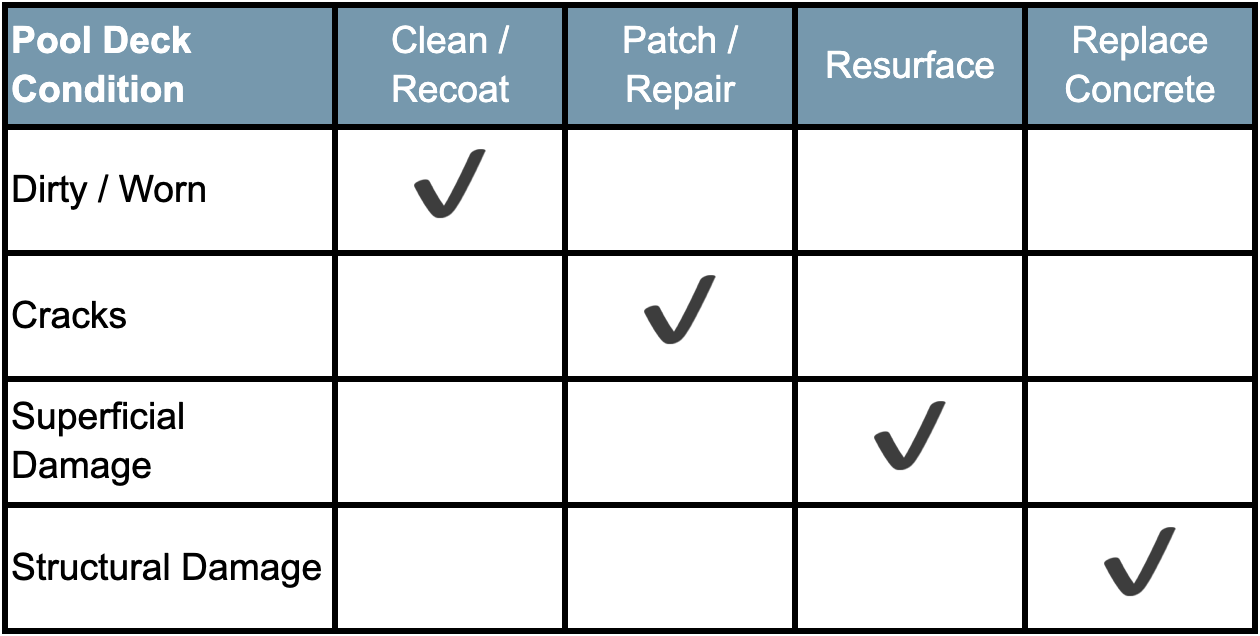
Commercial pool decks take on constant wear from water, chemicals, UV exposure, and daily use. As these conditions begin to impact the surface, it becomes important to determine whether the deck needs a localized repair, full resurfacing, or complete replacement. The right approach depends on the condition of the concrete, the extent of the damage, and the performance goals for the space.
When Should You Resurface a Commercial Pool Deck?
Concrete is susceptible to wear and tear like any heavily used surface. Commercial pool deck resurfacing should be considered when the existing surface begins to show signs of wear that affect safety, appearance, or long-term performance. Around pools, constant exposure to water, chemicals, UV rays, foot traffic, and routine cleaning can gradually break down the finish, leaving it faded, slippery, stained, or harder to maintain.
For hotels, municipalities, and HOA pool deck areas, resurfacing is often the right next step when the concrete is still sound but the surface is no longer performing as it should. Addressing these issues early can improve appearance, restore traction, simplify maintenance, and help reduce the need for more extensive pool deck repair later.
Choosing the Right Pool Deck Repair Approach
Common Pool Deck Problems: Cracks, Fading & Slip Risks
Commercial pool decks can begin to show wear after years of foot traffic, direct sun exposure, standing water, and routine chemical exposure. Over time, even a structurally sound concrete surface can start to look aged, feel less comfortable under bare feet, and require more frequent upkeep.
Common problems include:
- Surface cracks that affect appearance and can grow worse over time
- Weathering and erosion from constant exposure to sun, water, and changing temperatures
- Fading or discoloration that makes the deck look older and less maintained
- Rough or worn areas that can feel uncomfortable under bare feet
- Surface inconsistencies that create a patchy, uneven appearance across the deck
- Dirt and moisture collecting in cracks and low spots, making cleaning more difficult
- Worn finishes that reduce the overall visual appeal of the pool area
- Aging concrete that no longer reflects the quality or image of the property
As these issues build up, the deck can start to look tired, uneven, and harder to maintain. In commercial settings like hotels, HOAs, and multifamily properties, that can impact both the appearance of the amenity space and the day-to-day experience of the people using it. These are often signs that pool deck repair or resurfacing should be evaluated before the condition gets worse.
When to Repair, Resurface or Replace
Commercial pool decks take on constant wear from water, chemicals, UV exposure, and daily use. As these conditions begin to impact the surface, it becomes important to determine whether the deck needs a localized repair, full resurfacing, or complete replacement. The right approach depends on the condition of the concrete, the extent of the damage, and the performance goals for the space.
Best Systems for Commercial Pools & Why Each One Works
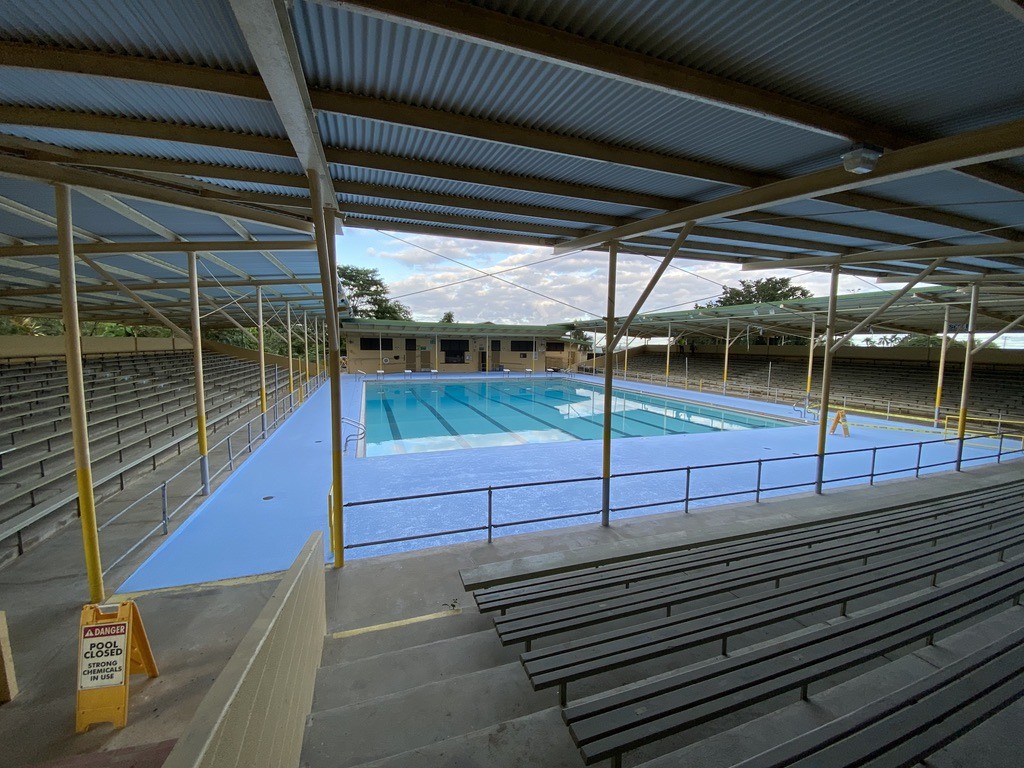
The best pool deck resurfacing system depends on the condition of the existing concrete, the desired finish, and the performance needs of the space. Factors like texture, slip resistance, heat reduction, maintenance expectations, and budget can all influence the best fit. For resurfacing a concrete pool deck, there are three strong options to consider:
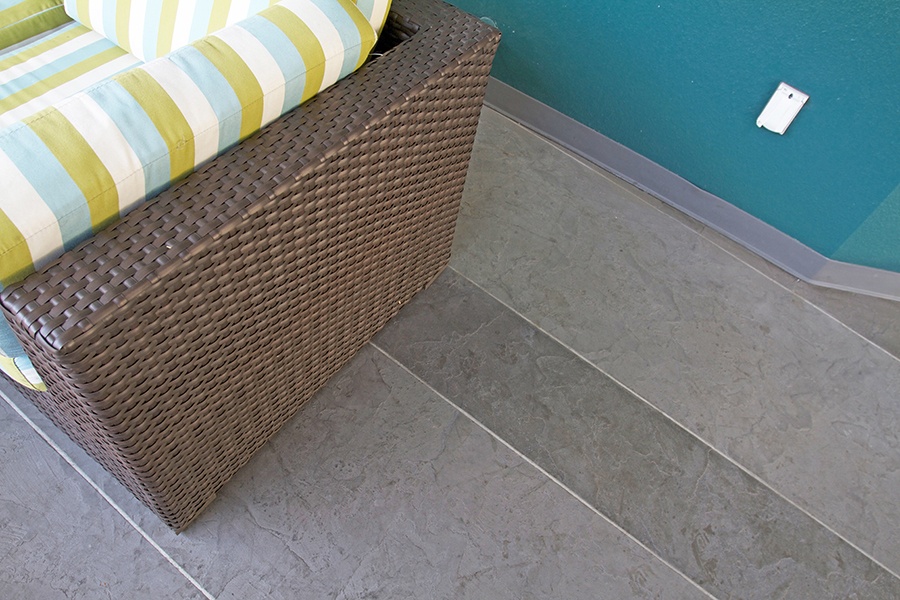
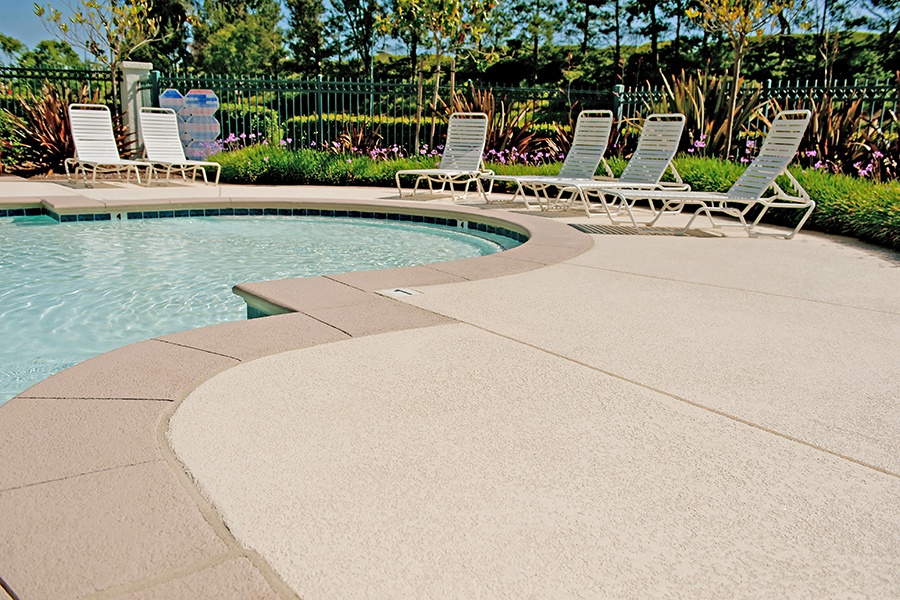
1) Texture-Crete: A strong option when resurfacing existing concrete pool decks that need a decorative upgrade without full replacement. Applied over existing concrete, it transforms plain surfaces into a durable smooth or textured finish and offers design flexibility with textures, patterns, and finishes that can simulate looks such as tile, flagstone, or slate.
It is especially well suited for pool deck projects because it offers an available skid-resistant finish, UV-resistant options, and the ability to renew worn concrete while improving visual appeal.
For projects where heat reduction is a priority, the Solar Reflective Finish option helps lower surface temperatures, supports California Title 24 requirements, and can contribute to reducing the urban heat island effect.
2) 11-10 System: Another more maintenance oriented option is the 11-10 System for coating directly over concrete when a smoother finish is preferred over a heavier textured overlay.
Designed as a pigmented coating system for concrete and compatible with surfaces such as existing deck coatings and textured concrete, it is a practical option for refreshing worn pool deck areas where appearance, cleanability, and ongoing maintenance matter.
For commercial and multifamily settings, it can be a good fit when the goal is to improve the look of an existing surface with a durable finish while keeping the system profile simpler than a resurfacing build.
3) MACoat (if elevated): Ideal solution when the pool deck is elevated, built over occupied space, or installed in areas where waterproofing is just as important as the finished walking surface.
Engineered for elevated concrete and reinforced plywood walking decks, MACoat is a fiberlath-reinforced waterproof deck system used on balconies, corridors, stairs, plazas, landings, roof decks, and pool decks.
It works well over occupied spaces because it creates a durable waterproof coating that helps protect the areas below while still providing an attractive finished surface above. In many cases, MACoat can also be installed over existing deck systems, making it a practical solution for rehabilitation projects where replacement is not the preferred approach.
For pool deck applications, it is available in standard and custom colors, can include optional skid-resistant texture, and offers finish flexibility, including a Solar Reflective option for projects where lower surface temperatures are a priority.
For commercial decision-makers comparing pool deck coatings, these systems offer different ways to improve durability, appearance, and day-to-day maintainability without full replacement.
Additional Things to Consider: Code, ADA & Slip Resistance Requirements for Pool Decks
Commercial pool decks need to do more than look good after resurfacing. In wet, high-traffic environments such as hotels, HOAs, municipalities, and other commercial properties, the surface also needs to support pedestrian safety, accessibility, and code compliance. That typically means evaluating slip resistance, drainage, accessible routes, transitions between walking surfaces, and how the deck connects to required accessible means of entry into the pool.
Under the ADA, newly constructed and altered pools must provide accessible means of entry, and accessible routes serving those areas must be continuous and unobstructed. Large pools with more than 300 linear feet of pool wall generally require two accessible means of entry, while smaller pools generally require one, with a lift or sloped entry serving as the primary compliant option.
For the deck itself, accessibility is not limited to the water entry point. Accessible routes around the pool facility are expected to have firm, stable, slip-resistant surfaces, and the Access Board notes that the ADA Standards require slip resistance but do not set a single minimum coefficient of friction.
In practice, that means product selection should focus less on chasing one universal numeric threshold and more on specifying an appropriate textured finish for the exact wet-use condition, while also maintaining smooth transitions, manageable slopes, and walkable circulation paths.
Accessible routes are typically expected to provide at least 36 inches of clear width, and where a sloped entry is used, it generally must comply with accessible-route provisions with a maximum slope of 1:12.
For commercial owners and specifiers, that is why pool deck resurfacing should be evaluated as a performance decision, not just a finish upgrade. Surface texture must help support traction in consistently wet conditions, but the deck also needs to remain comfortable to walk, visually appropriate for the property, and practical to maintain over time.
On many projects, the right system decision comes down to how well the finish balances slip-resistant texture, accessibility, heat reduction, drainage conditions, and long-term service demands across the full pool environment.
In California, public pool deck materials also need to be capable of withstanding repeated exposure to pool chemicals and must be equivalent to concrete in strength, durability, and slip resistance when used as deck coverings or similar materials.
Timeline & Installation Process
The timeline for commercial pool deck resurfacing depends on the size of the area, the condition of the existing concrete, the system selected, and site-specific conditions. In most cases, the process begins with evaluating the deck, preparing or repairing the concrete surface, and then applying the new finish in a series of steps based on the system selected.
For occupied properties, planning is just as important as product selection. Hotels, municipalities, and HOA pool deck projects may need to account for resident access, phased scheduling, and cure times before reopening the area. Fast-drying systems can help reduce downtime, but proper preparation and installation remain essential for long-term performance.
Westcoat Commercial Deck Resurfacing Projects
HOA Pool Deck Resurfacing
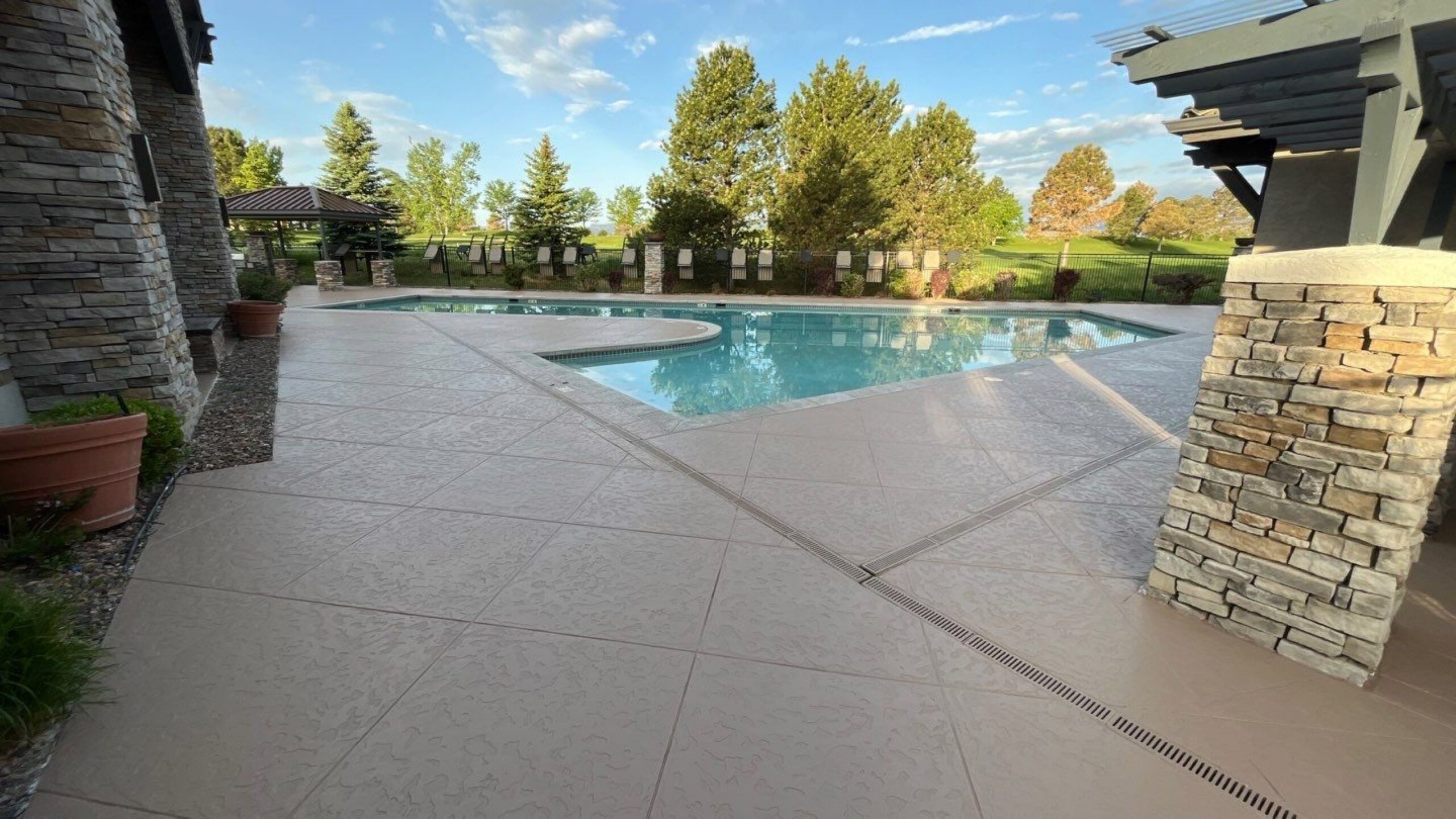
This multifamily pool deck had been coated several times before, but the surface kept failing due to moisture vapor, poor preparation, and related issues. Westcoat resurfaced the deck using a moisture-mitigating primer, patching materials, and a Texture-Crete Custom Finish to create a more attractive, slip-resistant surface with improved long-term performance. See full project…
Commercial Pool Deck Resurfacing
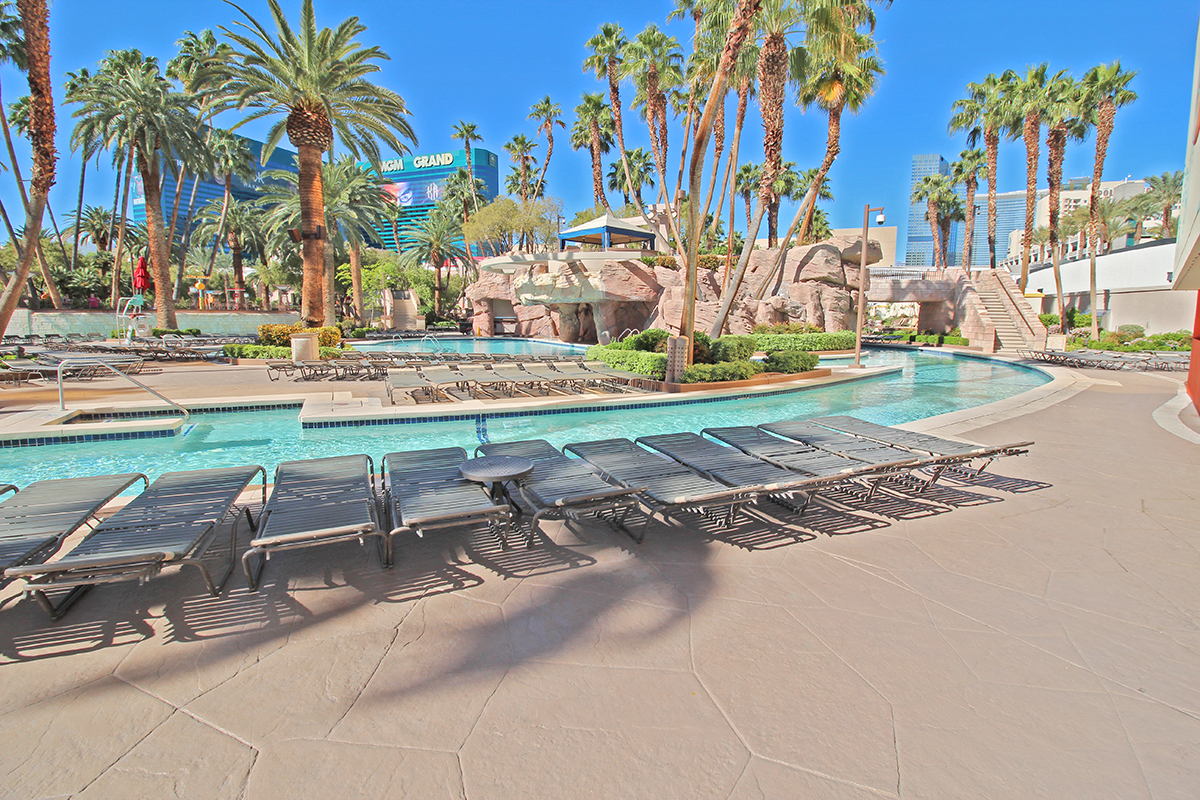
At Loews Coronado Bay Resort, the pool deck needed a coating system that could handle foot traffic and remain easy to maintain. Westcoat’s 11-10 System was selected, with careful preparation of the existing surface and joints, resulting in a refreshed deck surface designed for durability and low maintenance. See full project…
Interested in resurfacing your commercial pool deck?
Westcoat has been helping professionals renew and protect concrete surfaces for decades with systems designed for performance, appearance, and long-term value. From decorative resurfacing to waterproofing solutions for elevated decks, our pool deck systems are built to meet the needs of commercial properties.
With a wide range of finish options and proven solutions for demanding environments, Westcoat helps turn worn pool decks into safer, more attractive amenity spaces. Explore the systems that can help bring new life to your next pool deck project. Visit Pool Deck Coating Systems or call (800) 250-4519 to schedule a job walk.