
Edited 9/15/25
Healthcare Flooring Solutions: Durable, Hygienic, and Cost-Effective Options
by Michelle
- January 13th, 2021 /
- Education
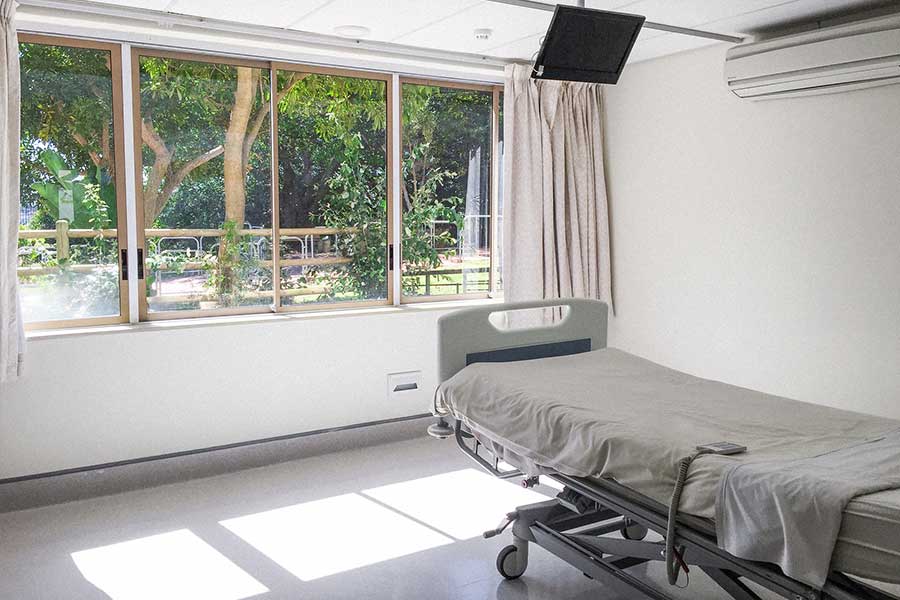
What to Know When Renovating a Hospital Floor
As a hospital or healthcare facility manager, you juggle countless responsibilities—ensuring patient safety, maintaining compliance, and managing tight budgets. One often-overlooked element that directly impacts all of these areas is flooring. The right flooring system can make the difference between a space that is safe, hygienic, and efficient—or one that creates ongoing maintenance and compliance headaches.
Why Flooring Matters in Healthcare Facilities
Hospitals, clinics, and nursing homes see constant movement—patients, staff, heavy equipment, and visitors all put stress on floors. In addition, healthcare spaces require continuous sanitization with strong cleaning agents. Traditional floors with grout lines or seams can quickly degrade, creating costly risks:
- Infection Control Issues – Cracks, seams, and corners harbor bacteria and mold.
- Safety Concerns – Slippery surfaces or worn finishes increase the risk of slips and falls.
- Compliance Risks – Floors that fail to meet safety standards can put your facility at risk during inspections.
- Aesthetic Wear – Stains, scratches, and discoloration affect not just appearance, but also patient perception of cleanliness and care.
Common Pain Points for Hospital Facility Managers
Infection Control and Cleaning Challenges
Constant sanitization demands floors that resist chemical damage and leave no place for bacteria to hide. Seamless solutions eliminate problem areas like grout lines, while antimicrobial options take protection a step further.
Wear and Tear in High-Traffic Zones
From gurneys to rolling equipment, healthcare flooring must withstand heavy use without constant repair. Durability is non-negotiable.
Compliance and Safety Risks
Slip resistance is critical in both patient and staff areas, indoors and out. Flooring also needs to meet evolving safety codes and healthcare standards.
Balancing Budget with Performance
Finding solutions that meet all the above needs while staying within budget is one of the toughest challenges facility managers face.
Seamless, Hygienic Flooring with Tidalstone
Westcoat’s Tidalstone is built for healthcare. This resinous flooring system delivers a seamless, terrazzo-like finish that is easy to clean and highly durable.
- Seamless Design – No grout lines means fewer bacteria traps.
- Chemical Resistant – Withstands repeated disinfection with harsh cleaning agents.
- Durability – Scratch, stain, and impact resistant even under heavy equipment.
- Aesthetic Flexibility – Choose calming, neutral tones or vibrant quartz blends that positively influence patient experiences.
Non-Slip Options are available with additive or broadcast textures, keeping floors both functional and attractive.
Anti-Microbial Flooring Option: For the highest level of infection control, EC-40 Anti-Microbial Epoxy actively fights bacterial, fungal, and algal organisms that cause odor and coating degradation.
Budget-Friendly Durability with Grind and Seal
Not every area of a healthcare facility requires a premium terrazzo-style system. For hallways, communal spaces, or back-of-house areas, Grind and Seal is a cost-effective solution that still checks the boxes for durability and cleanliness.
- Low Maintenance – Easy to clean, even under high-traffic use.
- Polished Look – Achieves a modern concrete aesthetic.
- Economical – A practical solution for budget-conscious projects.
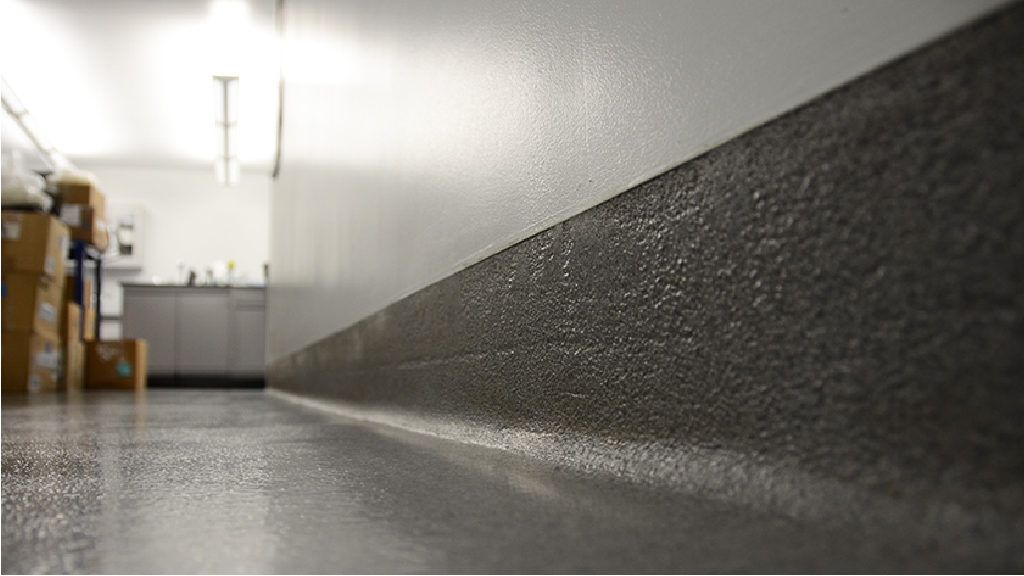
- Grind and Seal is also compatible with integral cove installation—using EC-76 Cove Gel to eliminate seams at floor-to-wall junctions, preventing bacteria build-up in hard-to-clean corners.
Safe and Reliable Exterior Surfaces with MACoat
Hospital flooring doesn’t stop at the front door. MACoat is Westcoat’s proven solution for exterior walkways, landings, and communal areas, where slip resistance and weather durability are crucial.
- Slip Resistant – Reduces fall risks in outdoor environments.
- Weatherproof – Designed to withstand heat, rain, and heavy foot traffic.
- Durable and Attractive – Keeps entrances and exterior spaces professional and safe for years.
Designing Floors That Support Patient Comfort
Beyond functionality, flooring can impact the emotional experience of patients and visitors.
- Color Psychology – Calm, cool tones promote feelings of ease, while darker, harsher colors can increase tension.
- Pattern and Texture – Thoughtful design choices with quartz sand blends or smooth topcoats can make healthcare spaces feel more inviting and less clinical.
- Patient Experience – Flooring is one of the first visual cues of cleanliness and care—it matters more than many facility managers realize.
How to Choose the Right Healthcare Flooring System
Selecting the right system means evaluating:
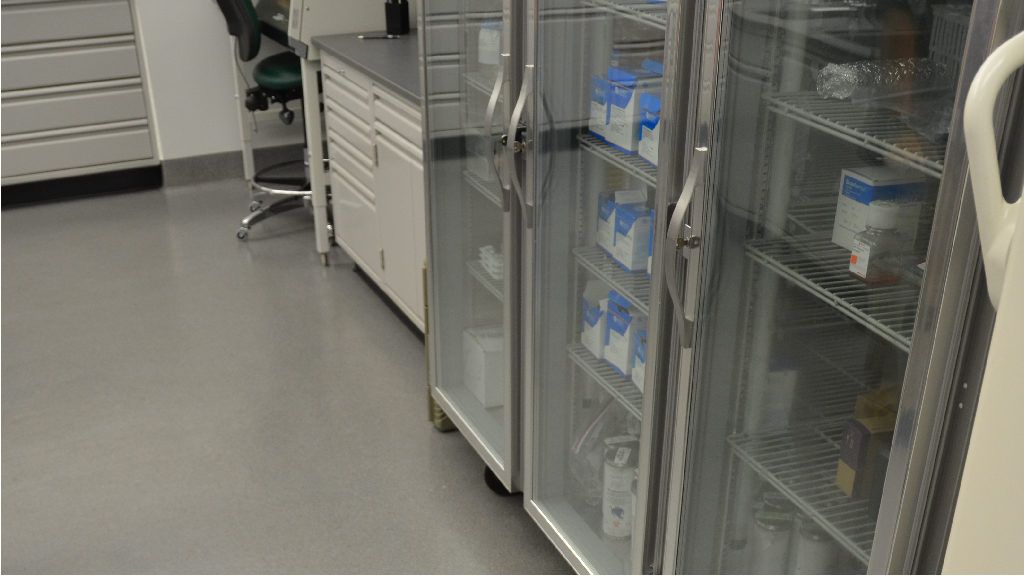
- Traffic levels and use cases (patient rooms, labs, hallways, exterior spaces).
- Infection control requirements.
- Budget constraints and lifecycle cost savings.
- Desired aesthetics for patient and staff environments.
Working with a professional team ensures your facility’s specific needs are matched with the right system—whether Tidalstone®, Grind and Seal, MACoat, or a combination.
Long-Term Benefits of Upgrading Hospital Floors
Upgrading to a modern, seamless, and hygienic flooring system offers benefits that go beyond aesthetics:
- Reduced maintenance costs.
- Improved compliance with healthcare standards.
- Increased safety for patients and staff.
- Enhanced patient satisfaction and confidence.
As a facility manager, your flooring choices directly affect the health, safety, and efficiency of your hospital or healthcare environment. Westcoat provides durable, compliant, and patient-friendly solutions.
Investing in better flooring today means fewer risks, less maintenance, and safer, more welcoming spaces for tomorrow.